
By Ken Smith, Housing Policy Director
In April, the 1000 Friends housing team kept moving forward toward more housing in Wisconsin.
For some light reading, check out:
- My review of the 2025–2026 Legislative Session
- How Local Regulations and Processes Affect Development and Housing Production
What I’m watching:
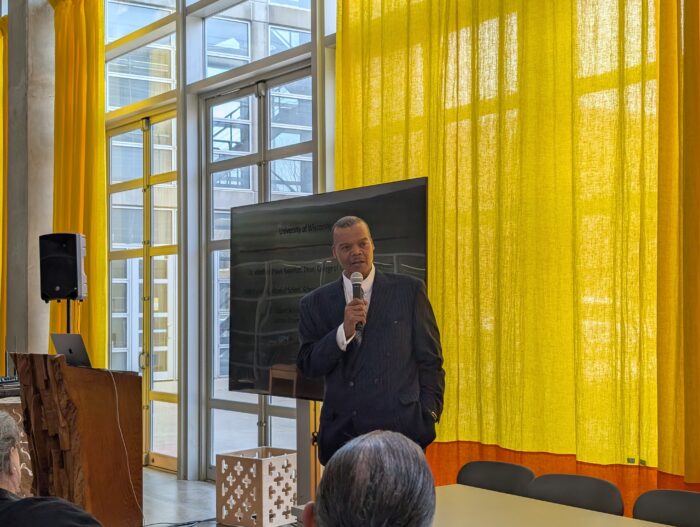
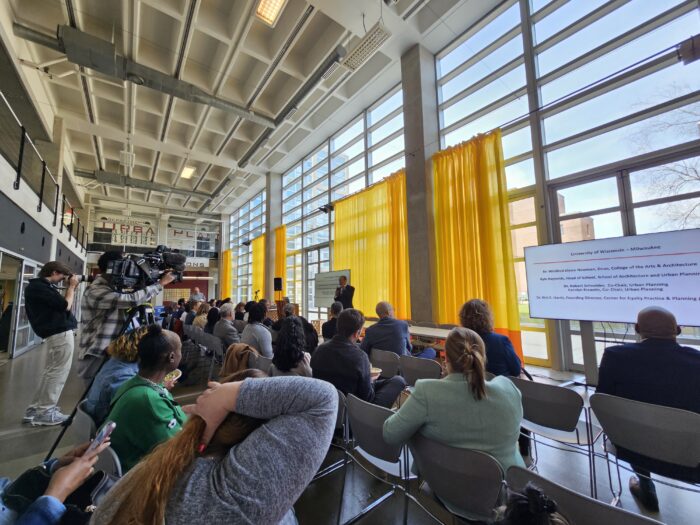
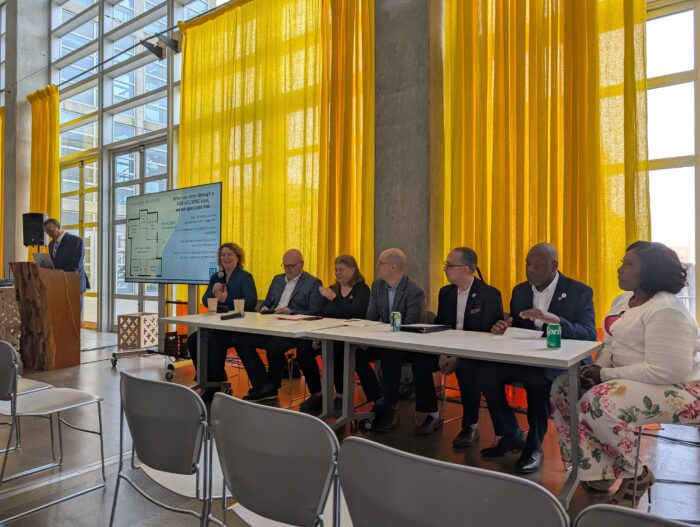
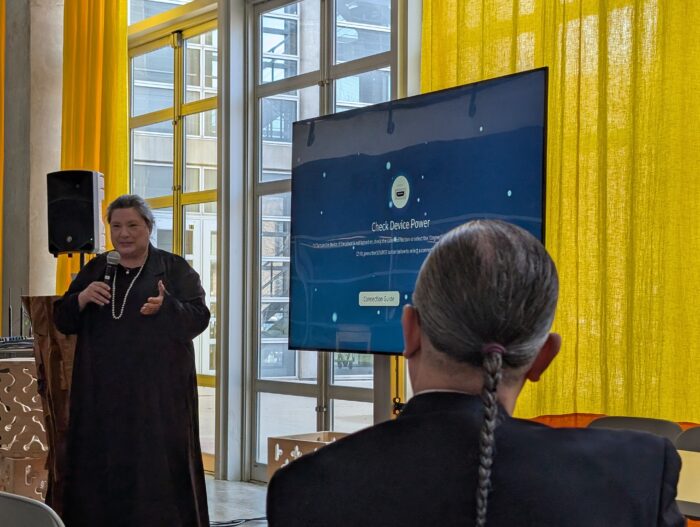
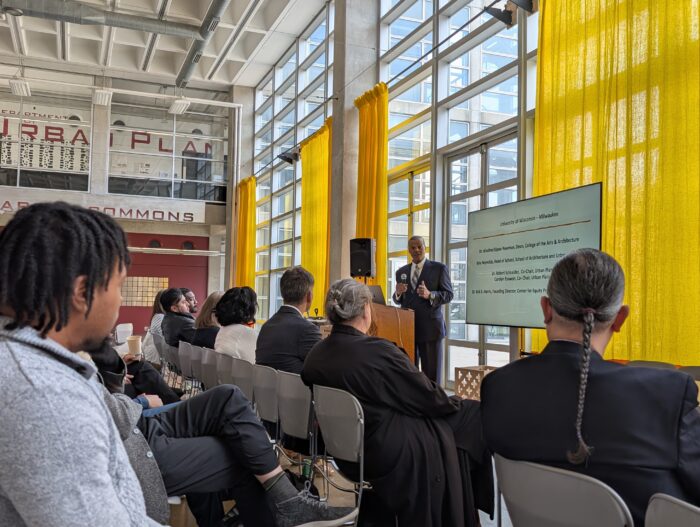
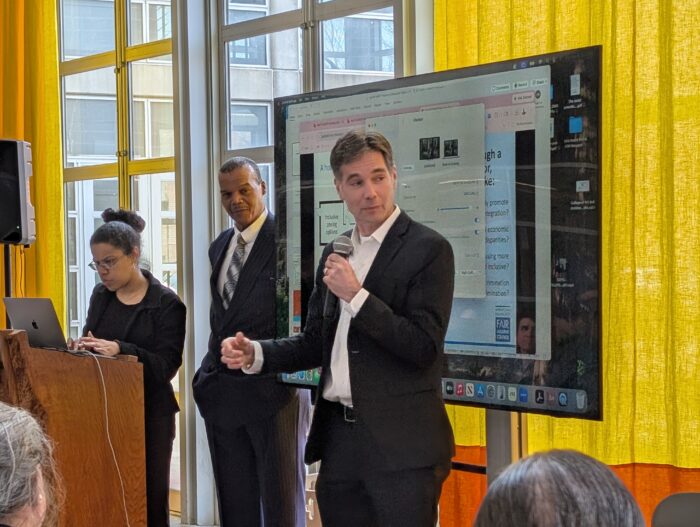
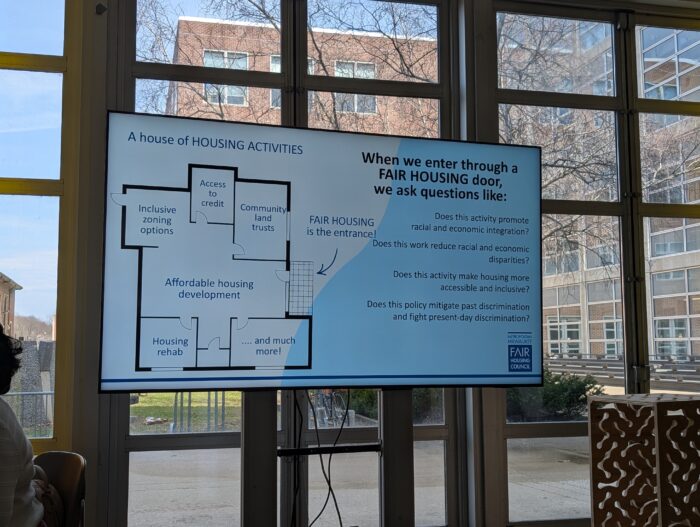
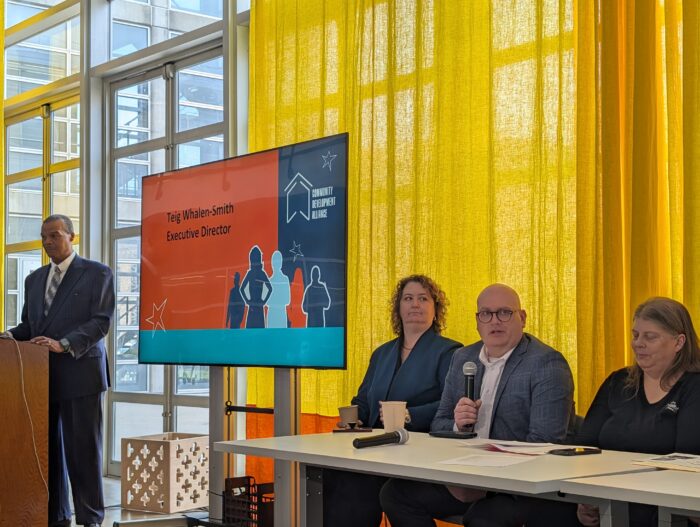
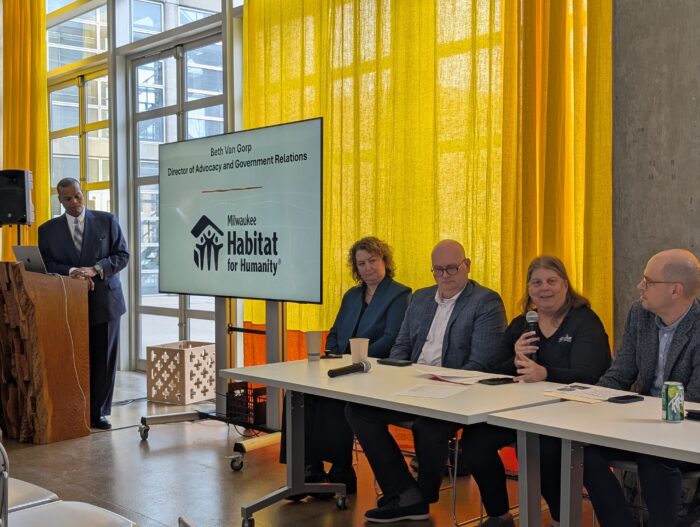
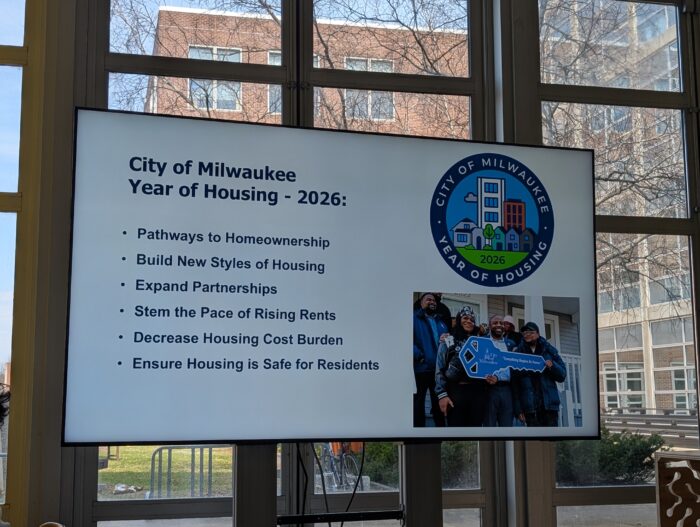
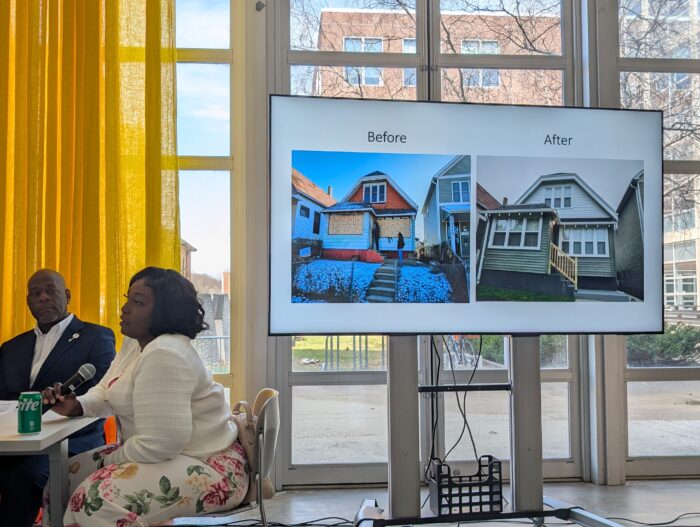
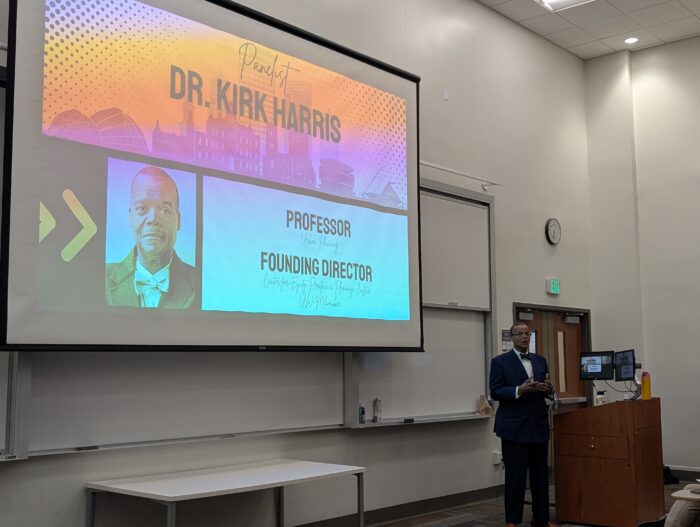
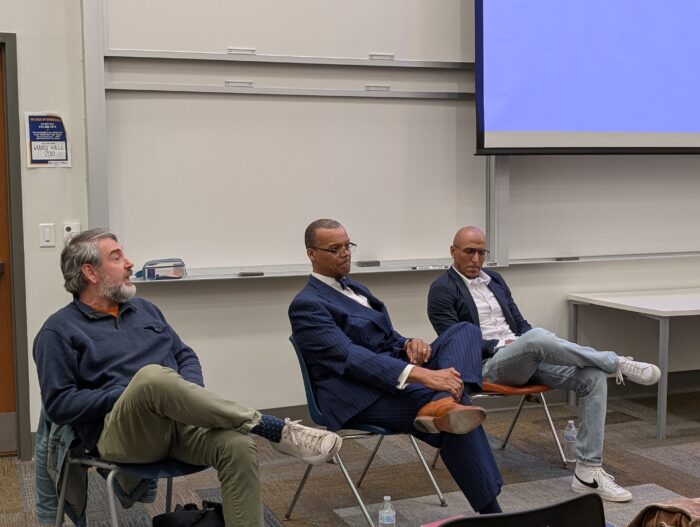
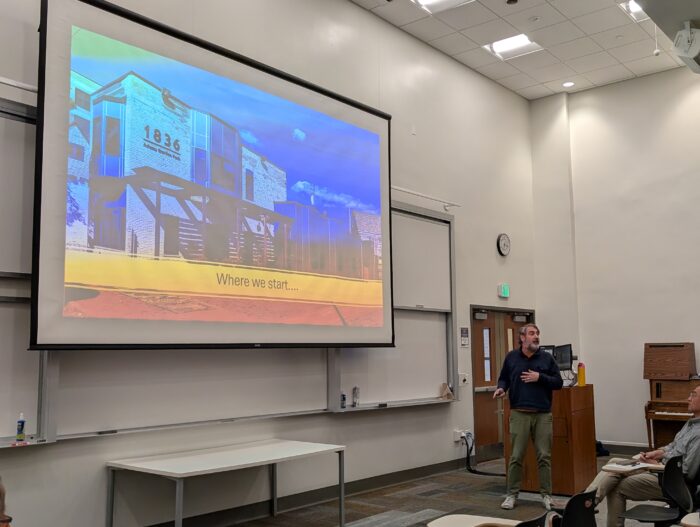
Kicking off the month on April 8, Professor of Urban Planning Kirk Harris of the University of Wisconsin–Milwaukee’s Center for Equity Practice and Planning Justice hosted a symposium titled “Housing Justice for Milwaukee: Community Land Trusts, Equity Strategies, and the Path to a Justice-Oriented City” at the School of Architecture and Urban Planning (SARUP).
The symposium’s speakers included Erika Sanders of the Metropolitan Milwaukee Fair Housing Council (MMFHC), Teig Whaley-Smith of the Community Development Alliance (CDA), Beth Van Gorp of Milwaukee Habitat for Humanity, Sam Leichtling of the City of Milwaukee Department of City Development (DCD), Ian Bautista of the Greater Milwaukee Foundation, Lamont Davis of the Milwaukee Community Land Trust, and Latasha Henley, an owner of a land trust property. This ensemble of Milwaukee housing leaders discussed their various approaches to the housing crisis with an overall notable emphasis on community land trusts (CLTs). Trevor, Tehila, and I attended among many others.
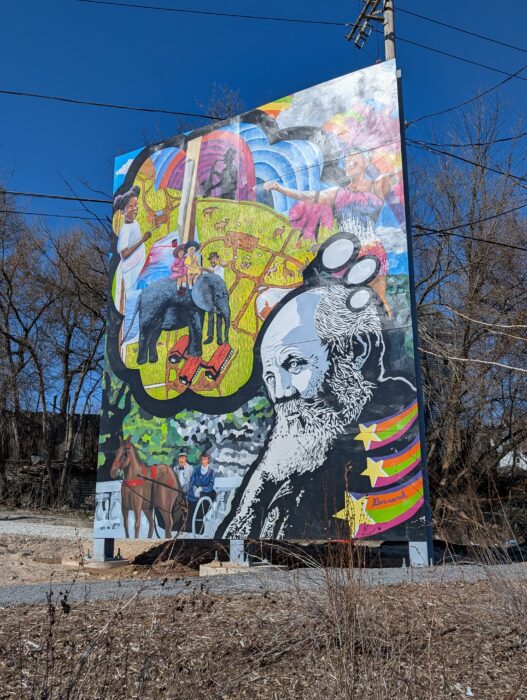
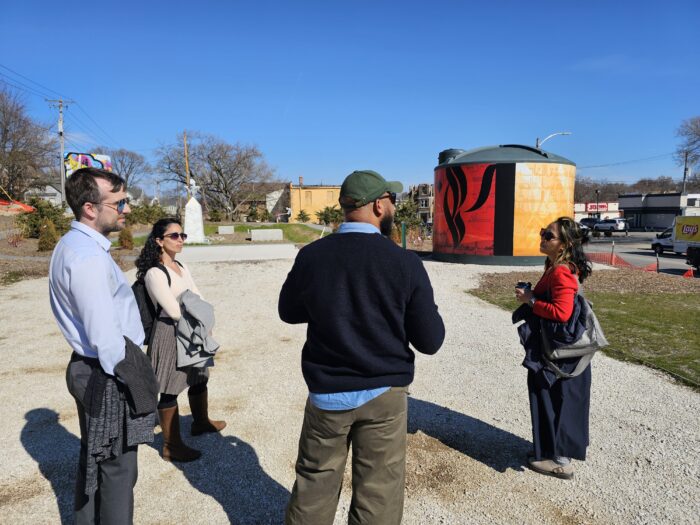
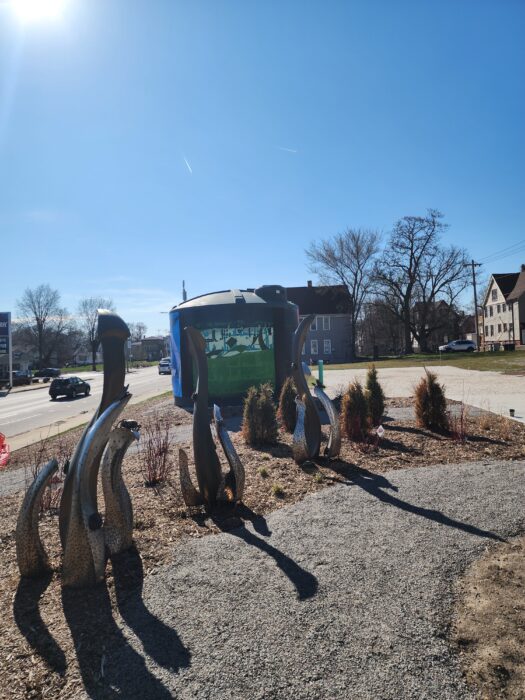
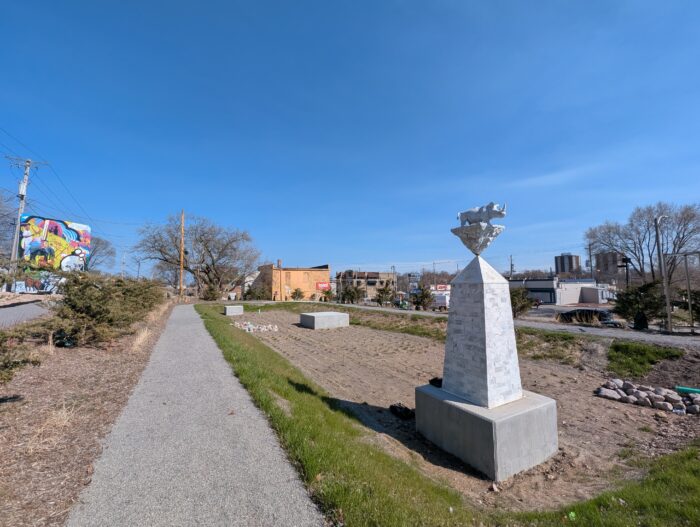
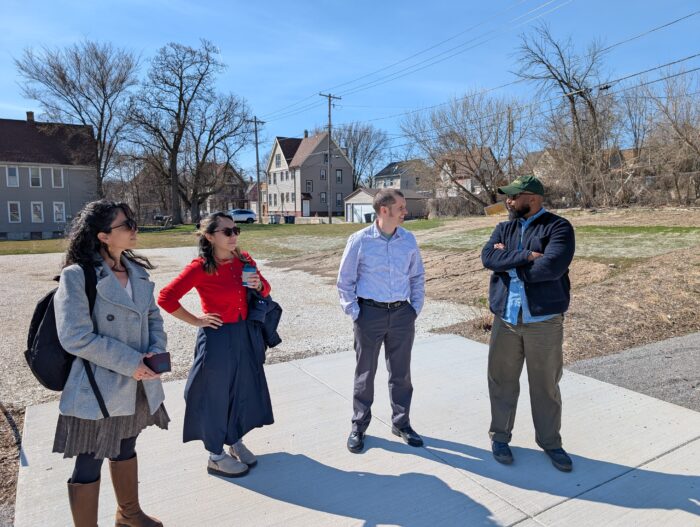
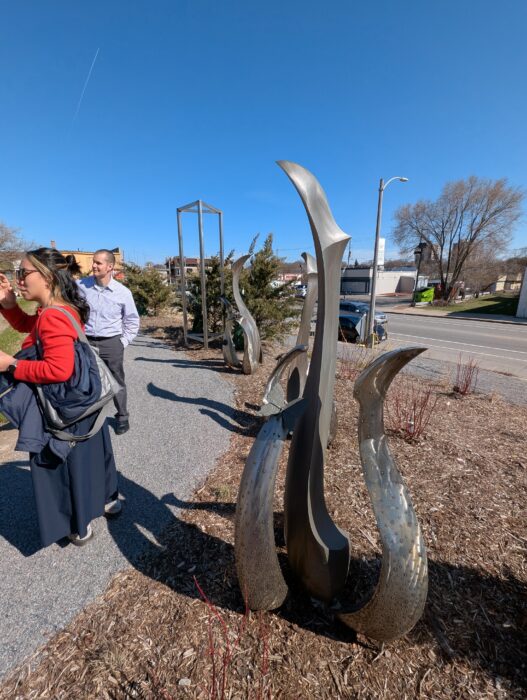
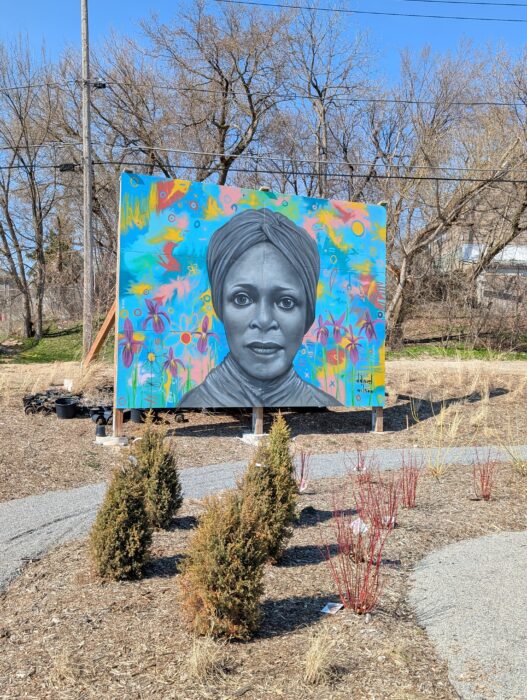
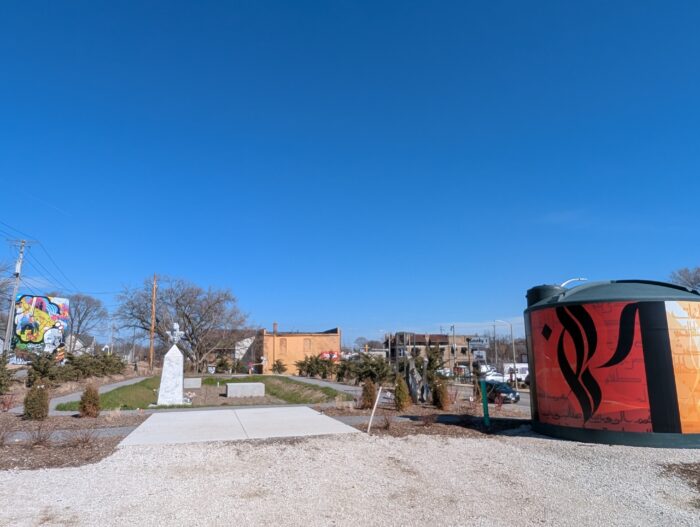
Later that day, we rendezvoused with Derrick Cainion, the founder of Art Intersection Milwaukee to see his project. Cainion has, through a sincere effort to improve the community and sheer determination, beautified part of the northwest corner of the intersection of 35th and Vliet in Milwaukee with public art and a stormwater detention pond decorated with native plantings. Through the effort of Cainion’s organization, he has built elegance on underutilized parcels in a disinvested portion of the city while simultaneously providing stormwater retention during weather events.

A couple of weeks later, on April 22, Tehila and I revisited the CLT topic at Marquette University in Milwaukee. Community Life Manager Michael Pagán of Thrive for Life officiated between Milwaukee School of Engineering (MSOE) Professor of History Michael Carriere and UWM’s Professor Harris on the topics of disinvestment and CLTs.
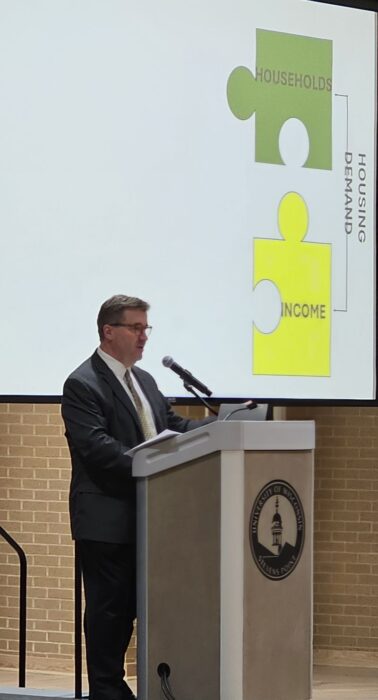
On April 15, Trevor and Ali attended the 2026 Central Wisconsin Housing Summit in Stevens Point at the Dreyfus Center on the UW-Stevens Point campus. Professor of Urban and Regional Planning Kurt Paulsen at the University of Wisconsin – Madison was the keynote speaker at the event. Among other speakers, Paulsen provided data and analysis regarding central Wisconsin’s housing market.

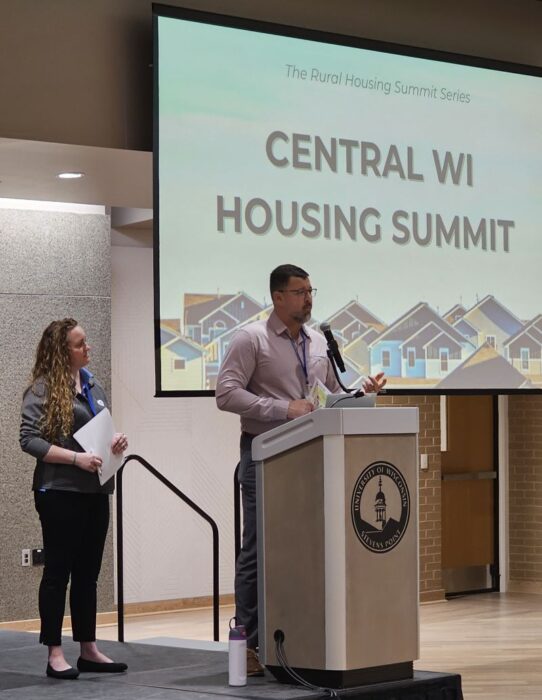
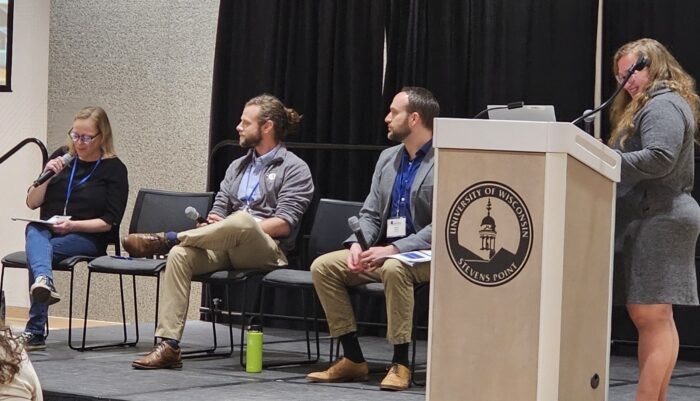
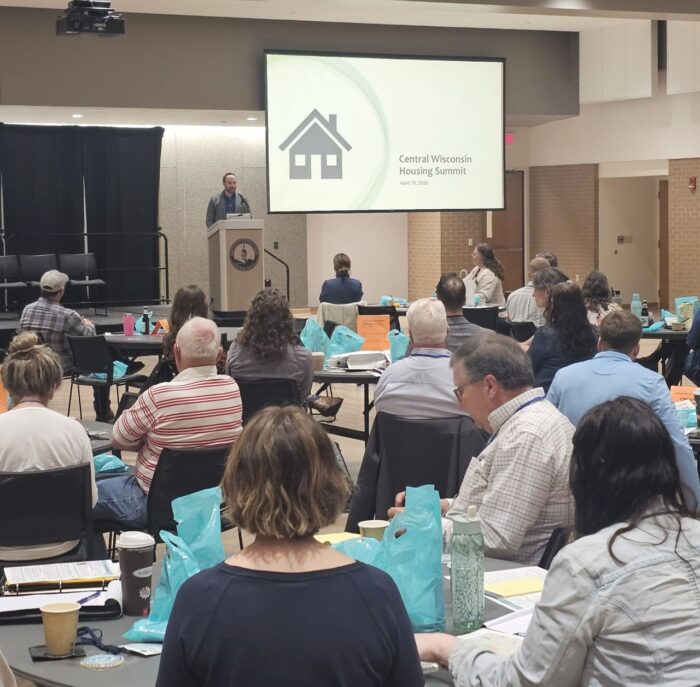
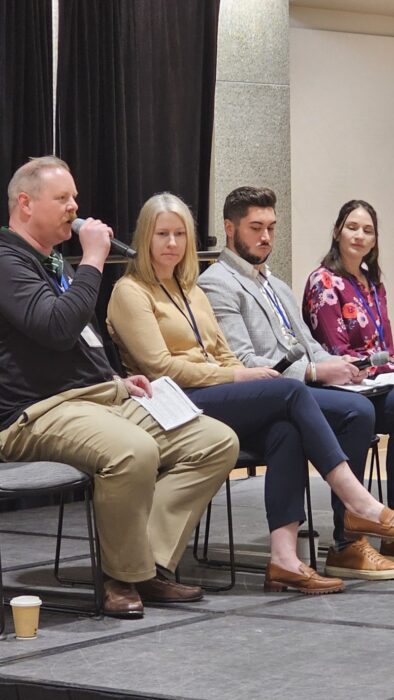
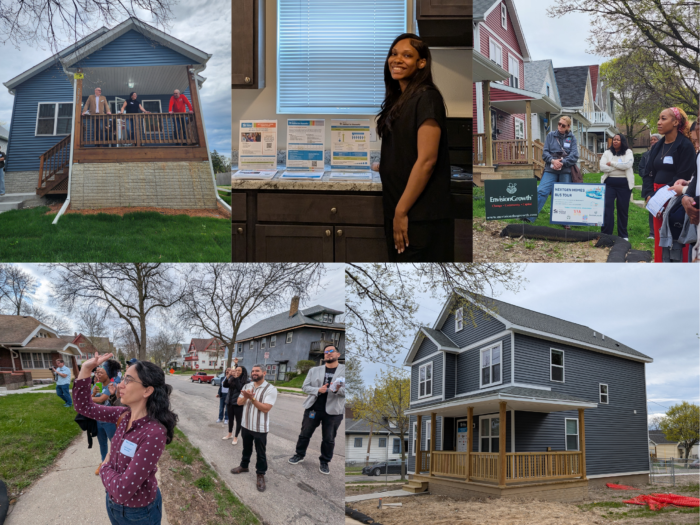
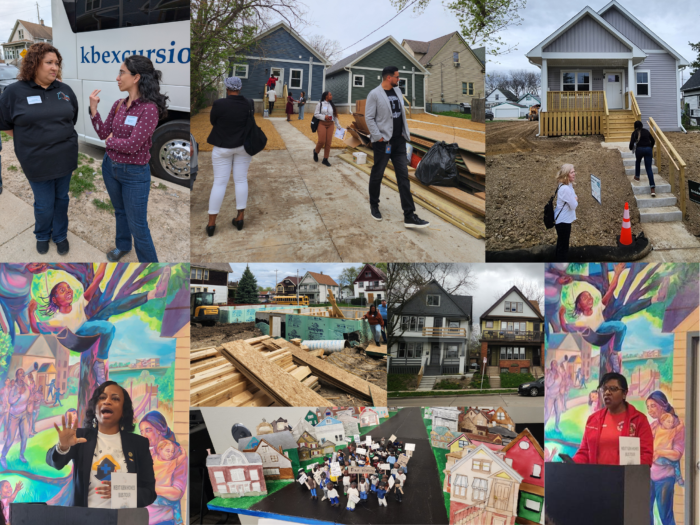
On April 24, Tehila and I joined Milwaukee’s Community Development Alliance (CDA) on its Next Gen Homes Bus Tour to see the quality, affordable (below market rate) homes built by CDA and its collaborators. I had to leave early, but Tehila was able to see wonderful new homes in Milwaukee’s Harambee, Amani, and Metcalfe Park neighborhoods which Milwaukee Habitat for Humanity, EnvisonGrowth, VIA CDC, Milwaukee Community Crossroads, and Turner Community Partners produced.
April’s final week was filled with travel for me! On April 28, I attended the Wisconsin Trust for Historic Preservation’s “Historic + Affordable: Housing that Works” workshop at Frank Lloyd Wright’s former estate, Taliesin, near Spring Green, which is about an hour west of Madison. After a busy day, I drove to Prairie du Chien in the southwestern corner of Wisconsin, where I attended the Rural Summit on April 29-30. I will follow up on these events in a future blog post or two.
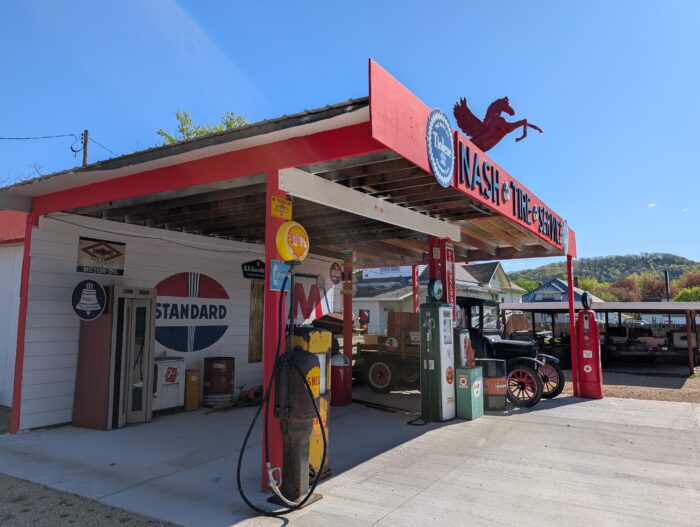 Scenes from Rural Wisconsin
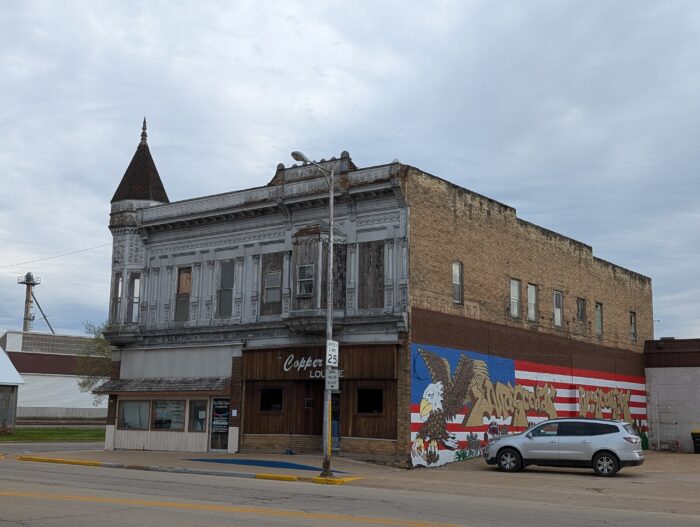 Downtown Muscoda, Wisconsin
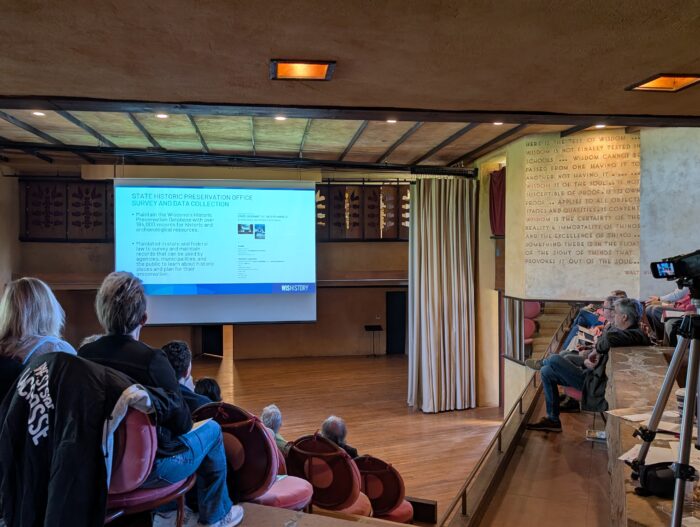 Wisconsin Trust for Historic Preservation’s “Historic + Affordable: Housing that Works” workshop
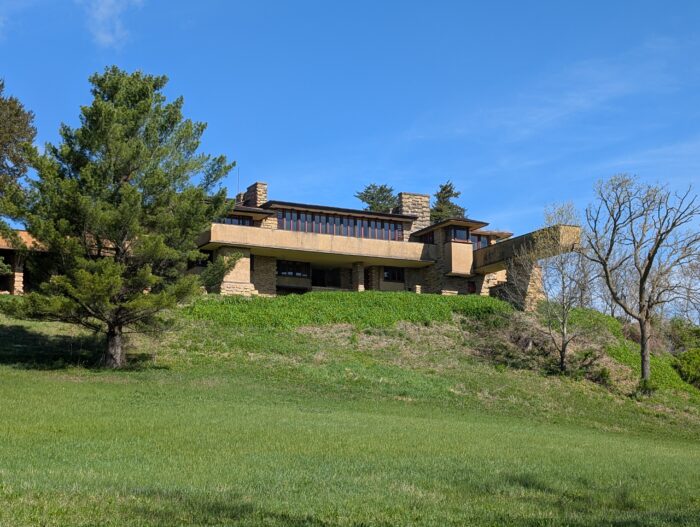 Frank Lloyd Wright’s former estate, Taliesin, near Spring Green, Wisconsin