

Local governments might be able to speed up the permitting process and make housing easier. The nonpartisan Wisconsin Policy Forum (WPF) has noted the connection between housing production with development approval and permitting from local governments. This necessary “regulatory burden” can hinder building projects through lost time and adding cost by delaying work and changing market conditions.
In July 2024, the WPF reported on a statewide decline in housing permitting which has never returned to levels prior to the Great Recession. The national trend is similar. Many factors are at play, including labor and material costs, and interest rates, but administrative burden is one factor within the control of local governments.
In its Cleared for Construction report released this March, the WPF detailed its examination of development approval and permitting in the southeastern Wisconsin municipalities of the cities of Brookfield, Milwaukee, Oak Creek, Waukesha, Wauwatosa, and West Allis. This examination is of course not representative of all approximately 1,250 towns, 407 villages, 190 cities, and 72 counties with permitting authority in Wisconsin (as of 2015), but it is illustrative of how local regulation impacts housing production. Readers can also review a Milwaukee Journal Sentinel summary of the report here.

Development approval and permitting are necessary both to ensure structures are properly built to safety standards and that new structures comply with communities’ zoning regulations. Applicants and developers sometimes cause delays themselves when they don’t follow directions or follow up in a timely manner. Without that delay, the review process can add time and cost to a development timeline. The report notes how, “the ways in which these common requirements are met and administered – and the degree to which projects are subject to discretionary review and decision-making [from appointed plan commissions and architectural review boards or elected boards and councils] – varies by city, which influences both the pace and predictability of local development.”
The WPF further found that “development projects…allowed to proceed “by right” versus requiring discretionary [political] approvals…likely contributes to shorter median project timelines” with “residential projects [having] been more likely to require conditional use permits or zoning changes, which take time to secure and involve discretionary [political] review that present more opportunities for public opposition to emerge and slow or derail projects. One possible strategy that local governments could consider to accelerate project approvals is to adjust their zoning codes to allow multi-family housing to be built by right in more areas.“
“Having served as a reviewer of zoning permit applications for various residential and commercial projects, I have seen firsthand how discretionary political approvals slow the process. Most of the time in my experience, the discretionary approvals are not controversial and are passed unanimously. That said, there often is not-in-my-backyard (NIMBY) opposition to apartment complexes from the community due to perceived threats to property values, crime, and neighborhood character. Yet, duplexes and even quadplexes can unobtrusively be incorporated into existing neighborhood settings as many currently co-exist alongside single-family homes in Wisconsin neighborhoods. There is certainly capacity for streamlining if local governments choose to allow it for housing projects beyond single-family homes.”
-Ken Smith
Reducing Administrative Burden in the Permitting Process
Former University of Wisconsin La Follette School of Public Affairs (LFS) professor Donald Moynihan has expertise in administrative burden, particularly at the federal level, and studies how government can more effectively serve the people. He maintains a Substack titled, “Can We Still Govern?” In a piece co-written with another former LFS professor, Pamela Herd, and Rutgers Law School professor Amy Widman, “Identifying and Reducing Burdens in Administrative Processes,” the trio summarize the work of their report to the Administrative Conference of the United States (ACUS) while further listing ACUS’ recommendations. While focused on federal programs and agencies, many recommendations can also apply to state and local governments and can be applied to processes relating to permitting building projects.
Policy Ideas
I offer below several suggestions, nonoriginal to me, on how to speed up project reviews while mitigating administrative burden. Every community is different, and such decisions are highly political, so these may not be appropriate everywhere:
1. Simplify Zoning Codes – These tend to be complicated and are often difficult for the public to understand. They also take time for planners and zoning technicians new to a community to digest. Many zoning codes have numerous exceptions and carveouts. Further, when communities add more and more requirements to what a planner must review, it will add time to the review process.
Ideas:
- Prohibited versus Permitted Uses in Zoning Districts – Greater flexibility would exist by prohibiting certain uses in zoning districts rather than permitting specific uses. With permitted uses, zoning administrators will often stretch the definition of a permitted use to make it fit the definition in the code.
- Form-Based Codes – Regulate the design of improvements rather than the uses in zoning districts.
- Reduce or Eliminate Various Minimums and Maximums – The greater the number of requirements, the greater the complexity and time required to administer, such as building height, building area, lot size, setbacks, parking, and others.
- Reduce the Number of Zoning Districts – Reduces the administrative burden of zoning administration with fewer districts to distinguish from.
- Infill Areas: Have Zoning Codes Match the Existing Environment – Many communities that existed prior to the adoption of a zoning ordinance have adopted zoning codes that conform to a suburban ideal without recognition of the denser existing built environment. The result is that lots become too small for the construction of new residences, often leaving the parcels vacant for years. That said, many municipalities have “carve-outs” or exceptions for “irregular” or “non-conforming” lots, but that adds further complexity to the zoning code, adding administrative burden.
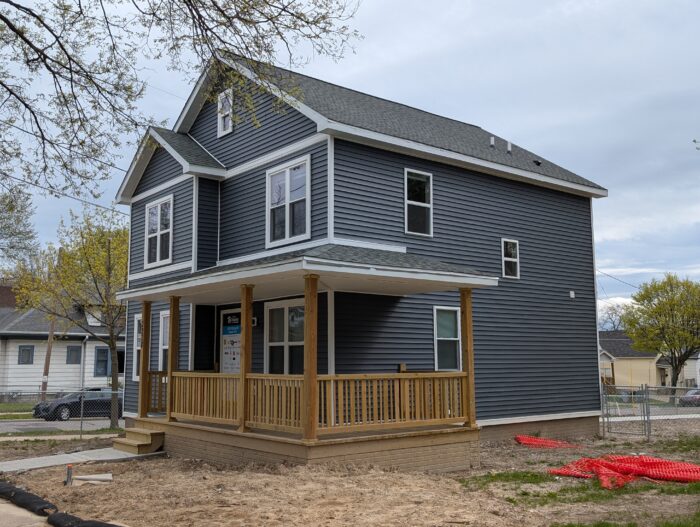
2. Pre-Approved Building Plans – Pre-approved plans are free or low-cost plans that anyone can download, don’t require undergoing plan review, and need only conform with local zoning requirements unless preempted by state law.
If you want to build a home on a vacant lot, you must typically acquire a set of building plans, have a surveyor plot its dimensions on a plat of survey, and submit the plans to a zoning department. If the proposal meets the requirements at first, and it often doesn’t, the zoning department asks for revisions that comply with the zoning code. Once zoning approval is secured, the plans go to the building inspector and plan review. If something in the plans doesn’t meet the building code, then the plans must be revised once more and resubmitted.
Pre-approved home plans, particularly for specific zoning districts, could help mitigate the length of the process and headache of obtaining approval by not going through plan review or as lengthy of a zoning review.
Local governments and entire states have pre-approved building plans in this non-exhaustive list:
- State of Michigan
- State of Ohio
- State of Oregon
- State of Vermont
- South Bend, Ind.
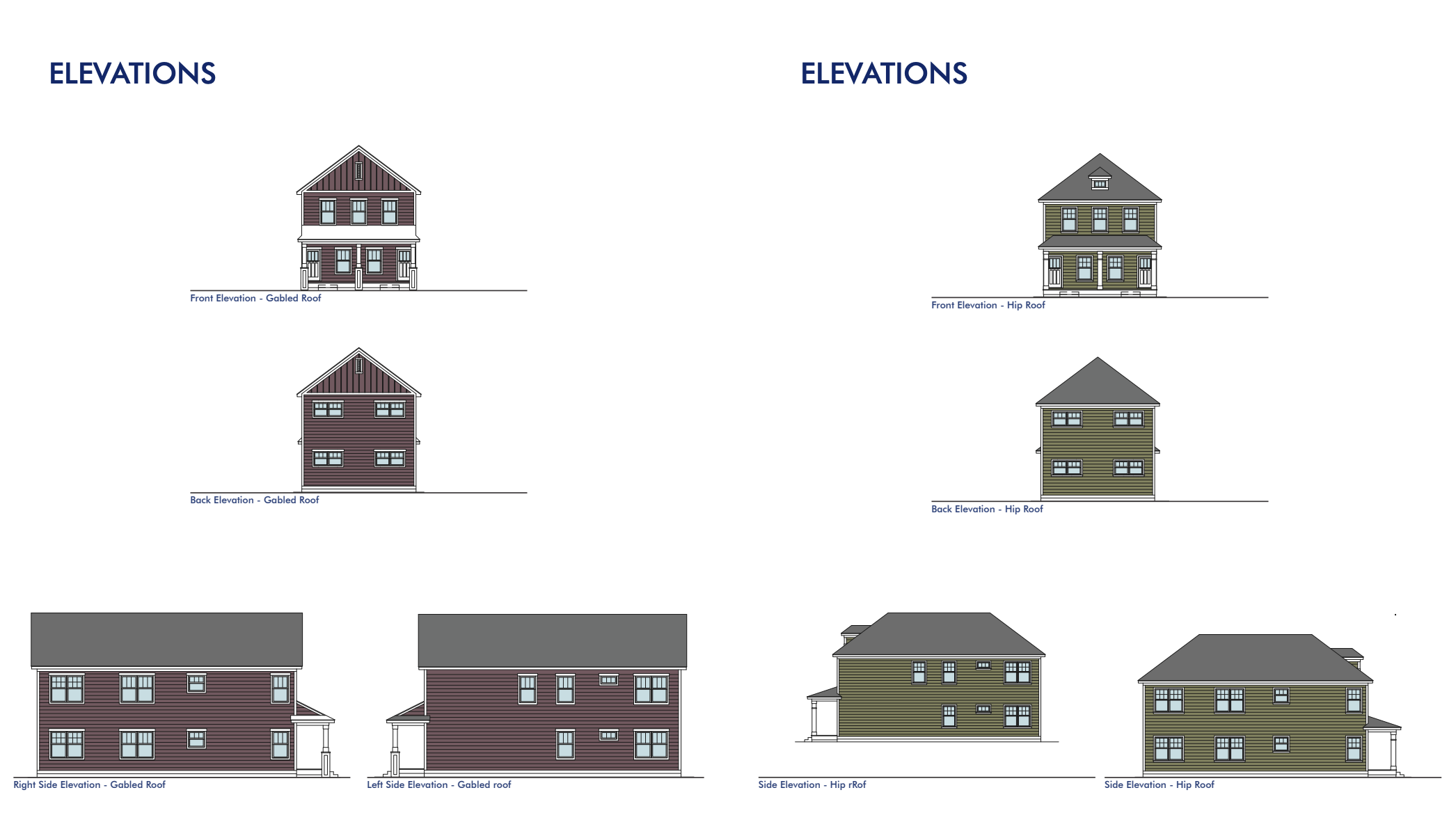
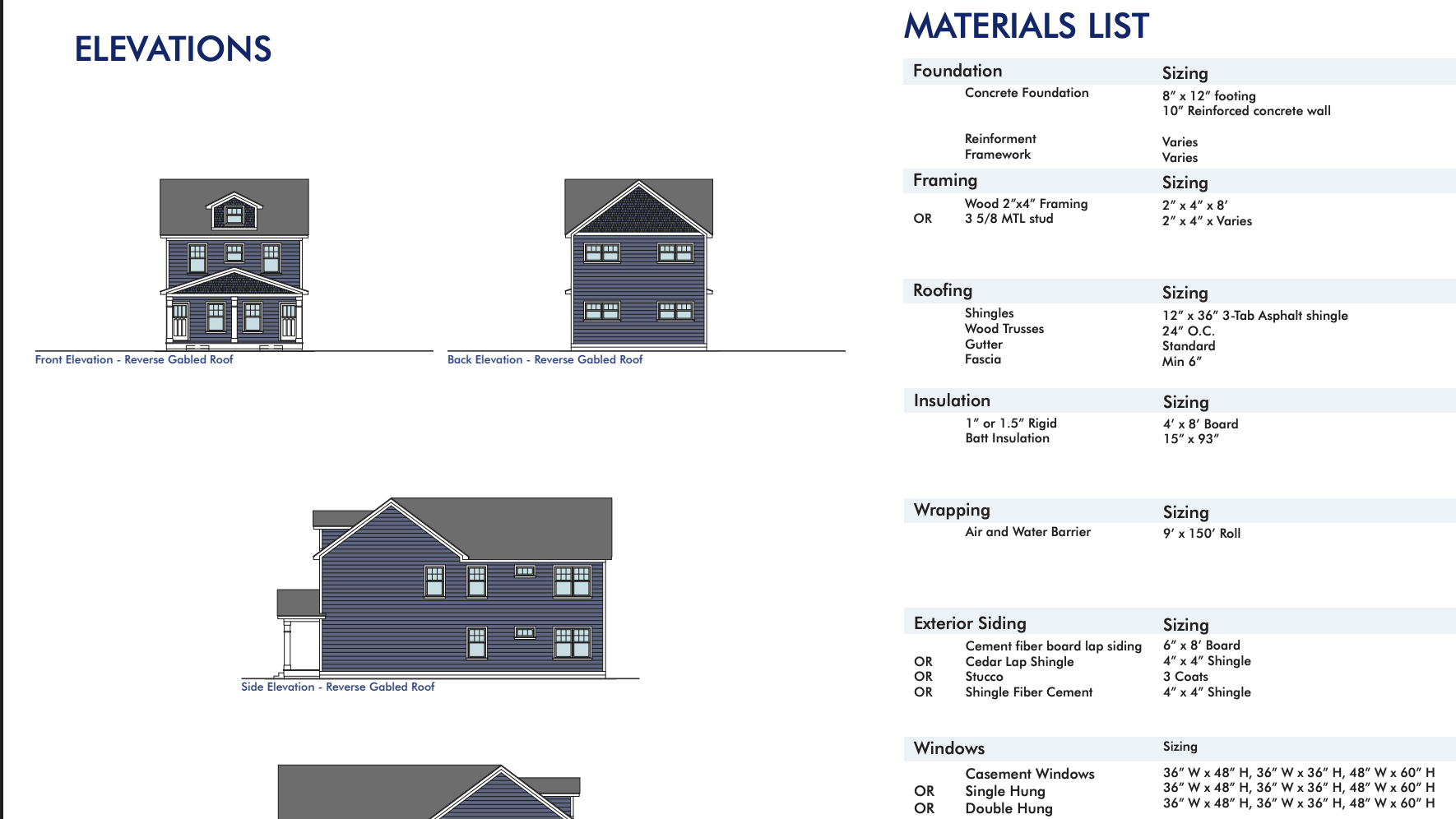
3. Development Review Teams – Many communities already have a concept similar to this, but for those who do not, a local government convenes a DRT meeting to provide feedback to a developer regarding ;all aspects of what the local government regulates. It varies by community, but this may include zoning, public works, sanitation, stormwater, engineering, and possibly other offices, depending on name and responsibility. Having a meeting with everyone together, often providing a report to the developer, streamlines the feedback to prevent lost time going back and forth between the developer and local officials.

Let’s connect! Please reach out if you want to discuss housing or join our statewide coalition.

Want to get the latest updates on Wisconsin housing? Interested in the topic of state-level preemption and statewide policy reform? Subscribe to our emails.