
My Lithic Narrative of Local Identity
By Tehila Cohen, Housing Field Organizer
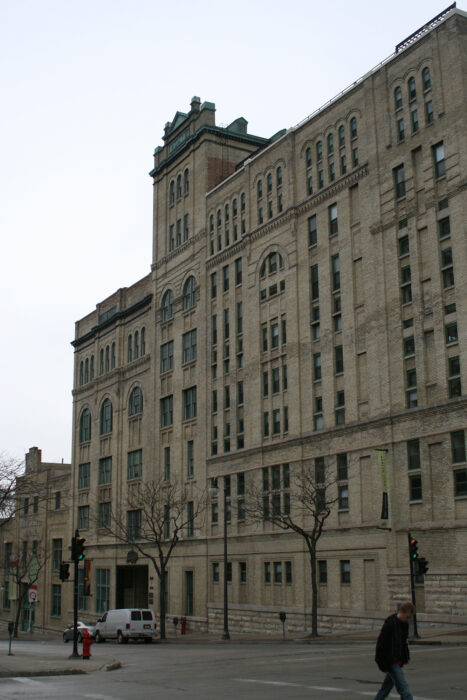
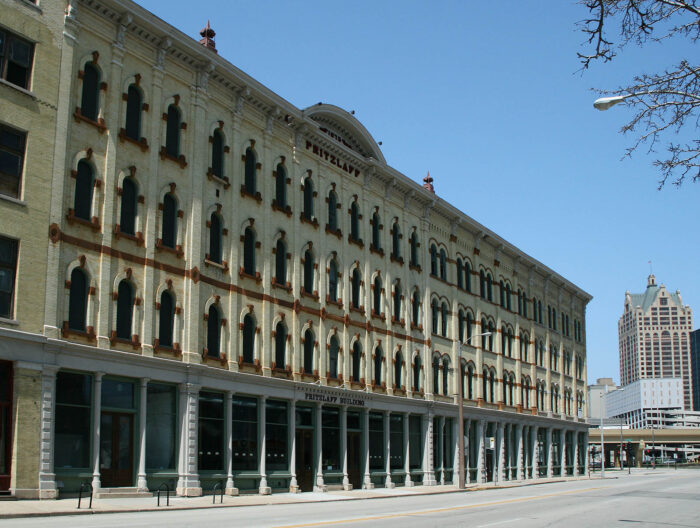
The “Cream City” nickname for Milwaukee immediately caught my attention when I moved here. As a newcomer, I quickly learned that this “branding” stems from the distinct, light-colored brick that defines the city’s architectural history and carries a deep sense of local pride. While modern development has largely moved on to other materials for many reasons, the sight of those creamy façades transported me back to my birthplace: Jerusalem.
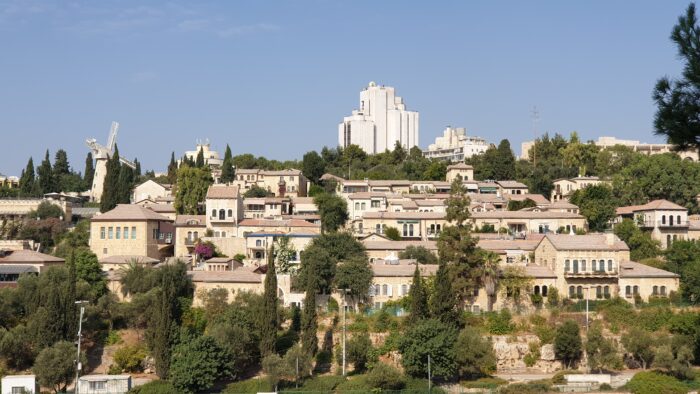
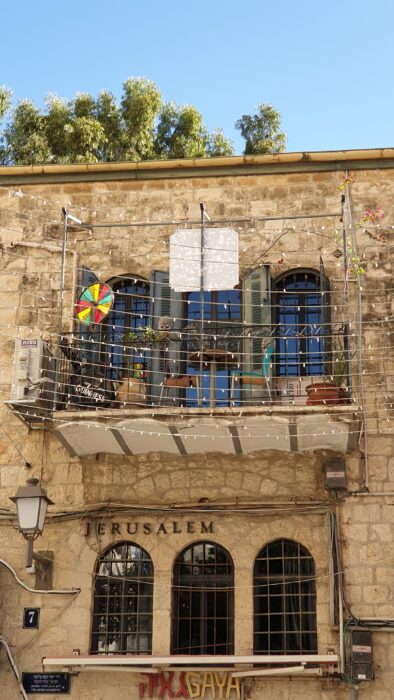
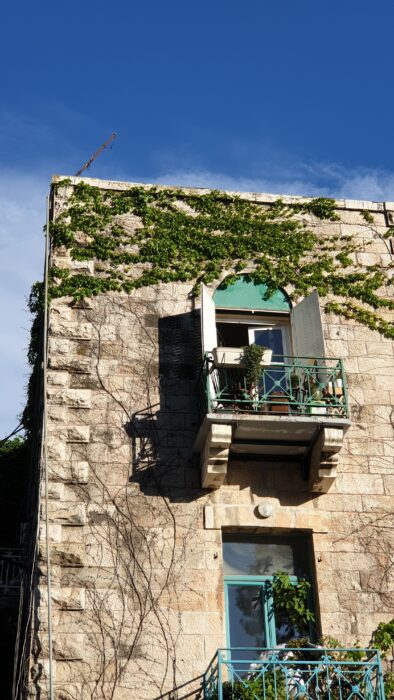
Just as Milwaukee has its brick, Jerusalem is defined by its stone. Since 1918, an ordinance enacted by then-British Governor Ronald Storrs has mandated that a variety of local limestones, collectively known as “Jerusalem Stone,” be used on all exterior walls of new buildings. It wasn’t just an aesthetic choice; it was a deliberate effort to preserve the city’s ancient soul and support local craftsmanship, ensuring that traditional masonry remained the literal foundation of the city.
Jerusalem Stone Examples
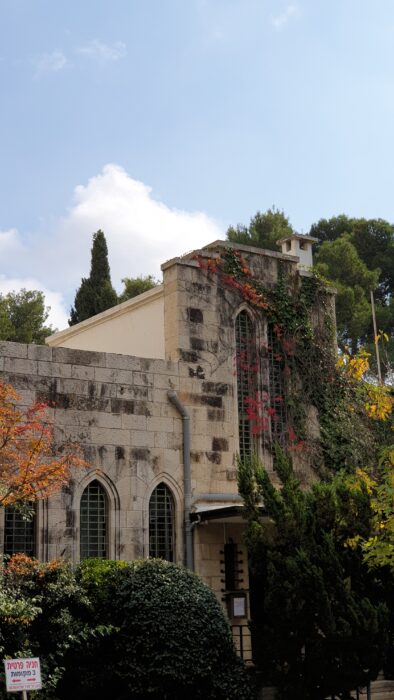
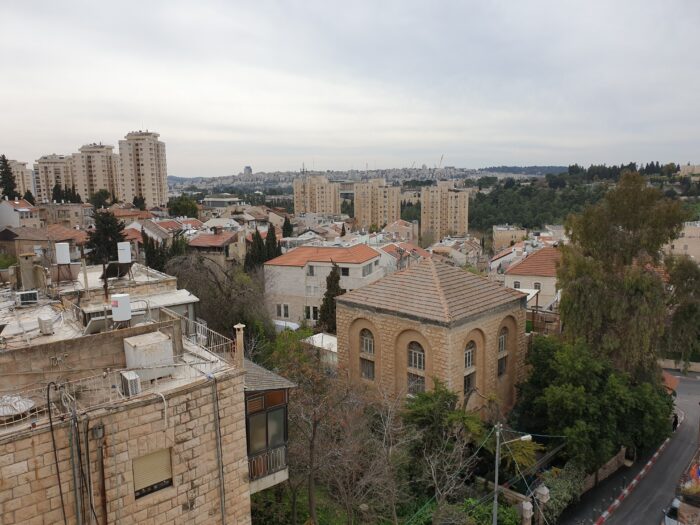

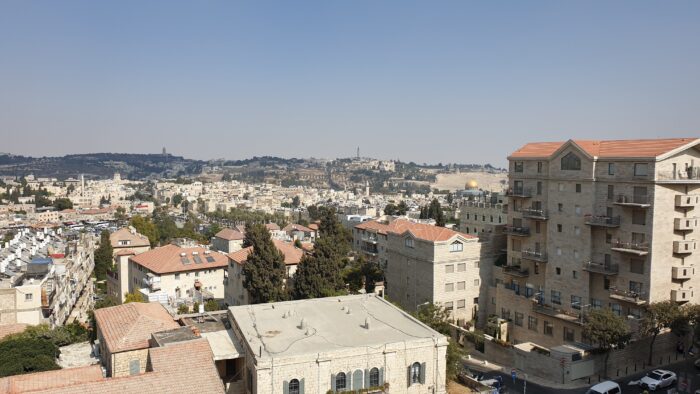
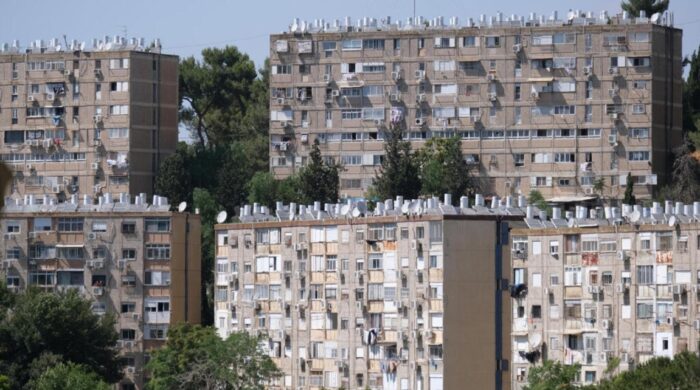
In the century since its inception, the enforcement of the Jerusalem Stone bylaw has been disrupted only once. In the 1950s, as the city absorbed a massive wave of thousands of immigrants, the resulting housing crisis demanded immediate and inexpensive solutions. This era saw the rise of mass-produced housing blocks on the city’s outskirts – utilitarian Brutalist structures of bare, functional concrete that lacked traditional stone cladding. In later years, some of these buildings were partially covered with stone as part of state-led beautification efforts, a gesture to reintegrate them into the city’s aesthetic identity.
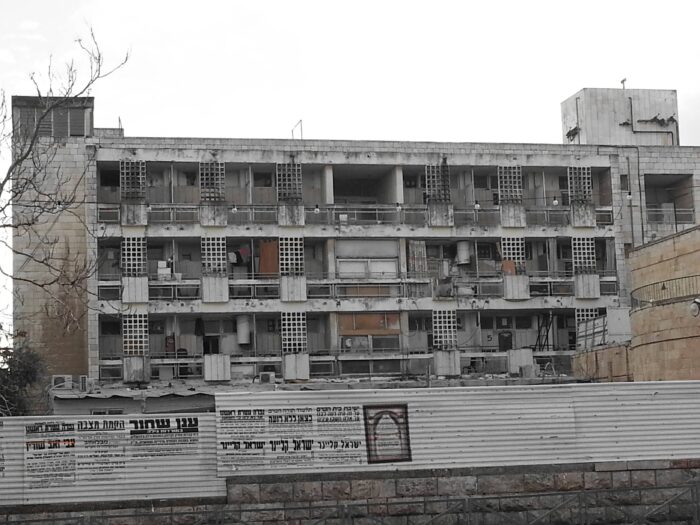
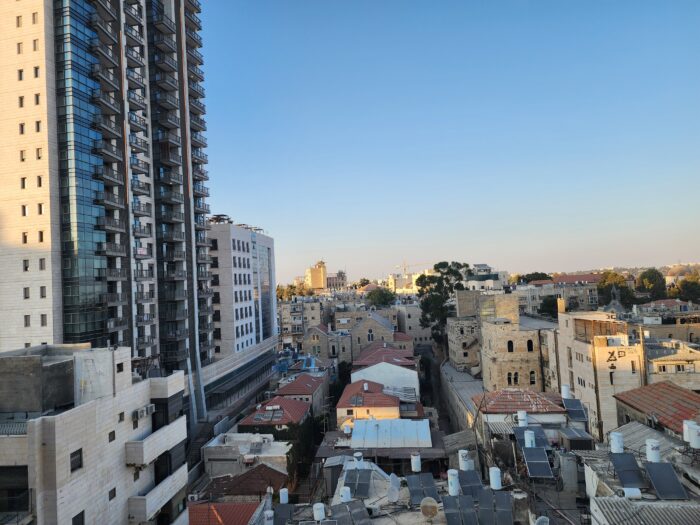
Today in the 21st century, this local ordinance faces a different kind of challenge. As Jerusalem shifts from horizontal expansion to vertical intensity, hundreds of high-rise towers are being planned alongside the development of the city’s light rail routes, and this vertical growth is sparking a fresh debate over how to maintain tradition in a soaring modern skyline.
The tension between heritage and necessity that I see in Jerusalem is mirrored in my housing work here in Wisconsin. While there is great pride in our Cream City history, there is less emphasis on the use of local building materials in new construction. The iconic bricks, produced from Menomonee River clay, owe their distinct color to high levels of calcium and magnesium, but they can be delicate; without proper maintenance, they darken and weather over time. Organizations like the Milwaukee Preservation Alliance now work to educate partners on the specialized care these historic structures require.
However, because new Cream City bricks haven’t been manufactured in over a century, the material exists today primarily through a resale market of bricks recycled from demolished structures. In a financially challenging housing environment, builders naturally focus on the most economical methods to keep projects viable. This practical reality allows pragmatism to win out over tradition, much as it did during Jerusalem’s concrete expansion in the 1950s
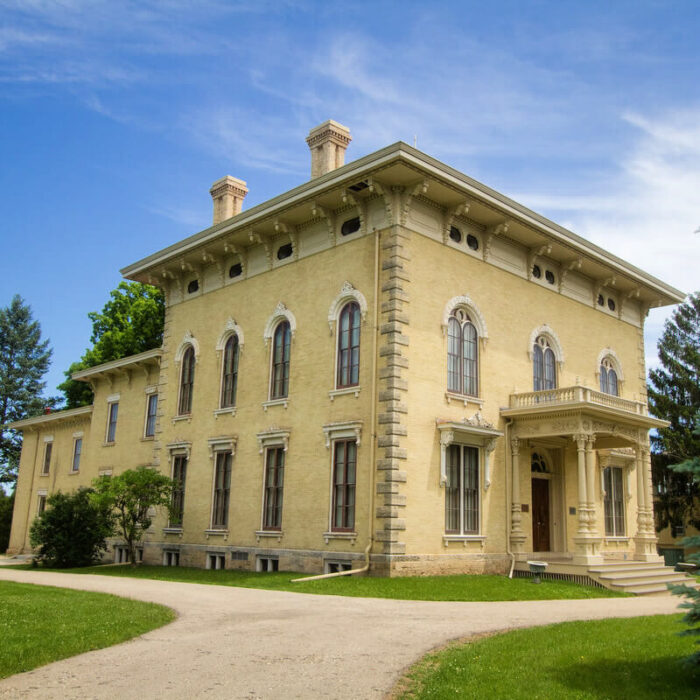
Cream City Brick in Wisconsin

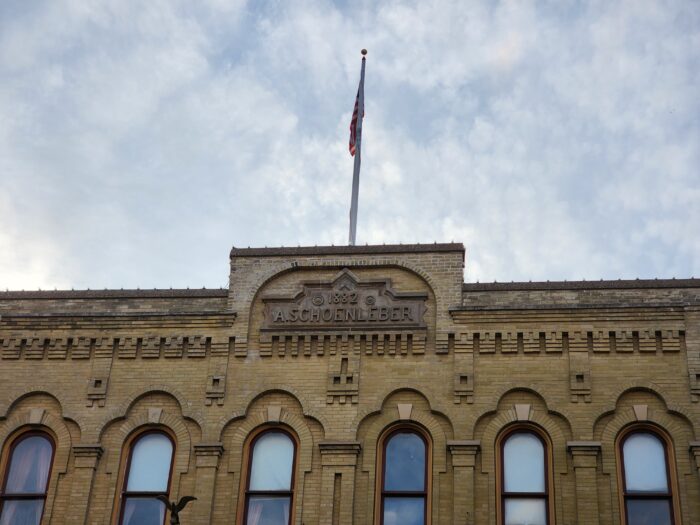
Seeing the pride Milwaukee takes in its Cream City heritage reminds me that architecture and building regulations are rarely just about shelter. Housing is the physical manifestation of a city’s values, where the basic need for a home meets the desire for identity. Whether it is the soft yellow clay of the Menomonee River Valley or the sun-drenched limestone of the Judean Hills, the materials we choose are a pact between our history and our future, ensuring that the legacy of local artisans is never truly forgotten.