If We Can’t Find Housing, We’ll Build Community
by Ali Hoffman, Communications & Digital Manager
As an organization, we’re constantly weighing priorities as we work to expand housing types and options in Wisconsin. Our main goal is to advance legislation that reduces unnecessary housing restrictions and enables more homes to be built. However, we know that any successful policy must also be politically viable, which often means navigating competing goals from different interest groups. As a result, progress doesn’t always move as quickly as we’d like.
At the same time, people living through the housing shortage don’t have the luxury of waiting for top-down solutions. Housing is fundamental to survival, and individuals are finding their own creative ways to adapt.
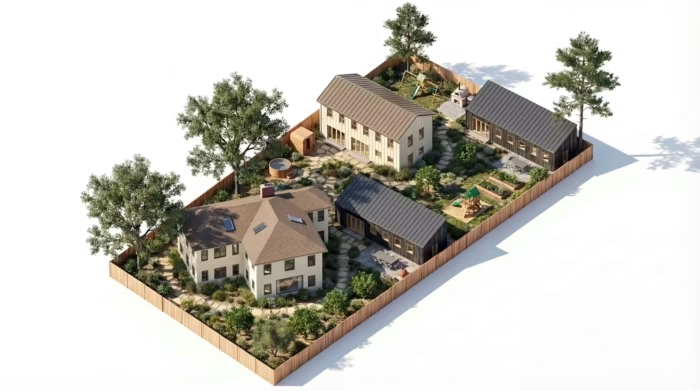
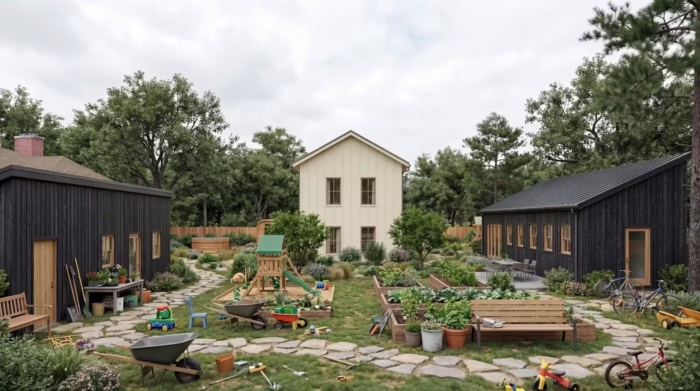
Recently, I came across Live Near Friends, a growing online movement that reimagines housing so people can live closer to those they care about. The company was founded by Phil Levin and focuses on what they call “mini-hoods” – or clusters of friends or relatives living close enough to share daily life more easily. The platform helps people think more intentionally about community-oriented living, explores co-buying arrangements, and lists multi-unit properties for sale while also offering a blueprint for building your own housing communities on vacant or underused land. It speaks to a broader shift in how people are responding to affordability challenges: If you can’t buy into your ideal neighborhood or afford the rising costs of childcare and eldercare, why not rethink how we live altogether?
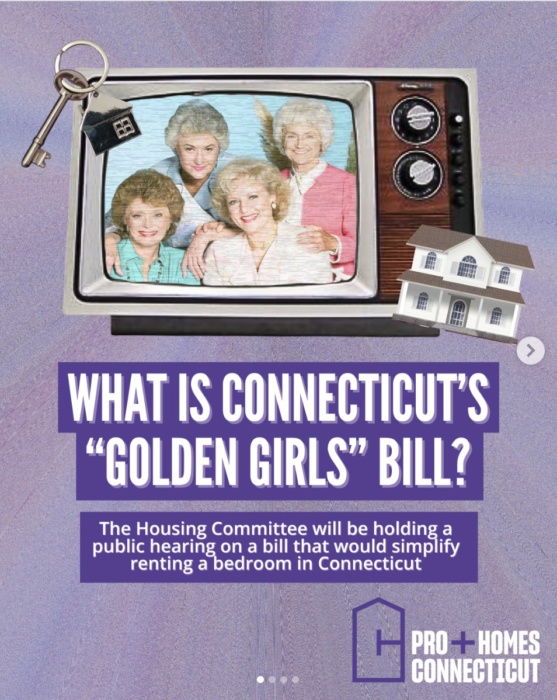
Across the country, this shift is visible elsewhere. In Connecticut, lawmakers are considering a “Golden Girls Bill” (SB 339) that would allow the long-term rental of bedrooms in a single-family home (think back to the 90s sitcom about four friends living together in Miami). This feels like an acknowledgment that chosen family living arrangements don’t always fit traditional zoning categories, and Colorado, Iowa, and Oregon have all recently passed similar laws to prevent “family only” occupancy rules.
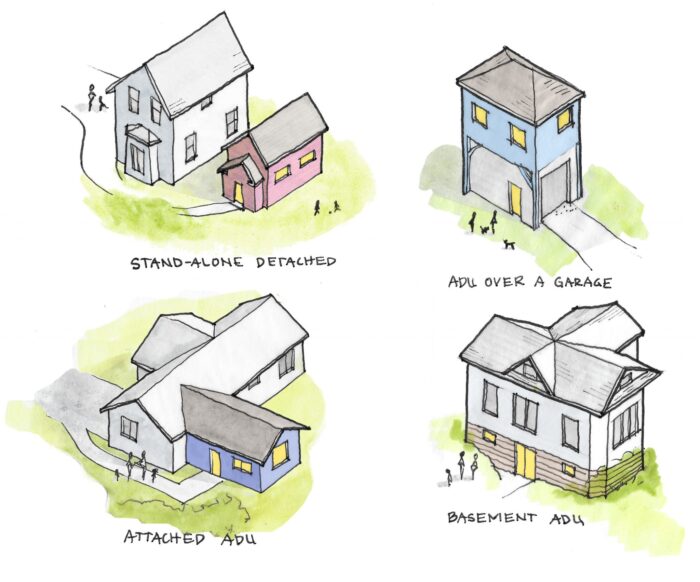
We’re also seeing the steady rise of Accessory Dwelling Units (ADUs), which are self-contained housing on the same property as another owner-occupied residence, and include everything from backyard cottages to converted basement or garage apartments. They are becoming increasingly popular in Wisconsin communities and are already allowed in Madison, Milwaukee, and Wauwatosa. Homeowners are building “granny flats” to bring aging parents closer, or sometimes creating a separate space for their adult children to live. Others are purchasing homes and renting out extra space to offset costs, using that added income to make homeownership more attainable.
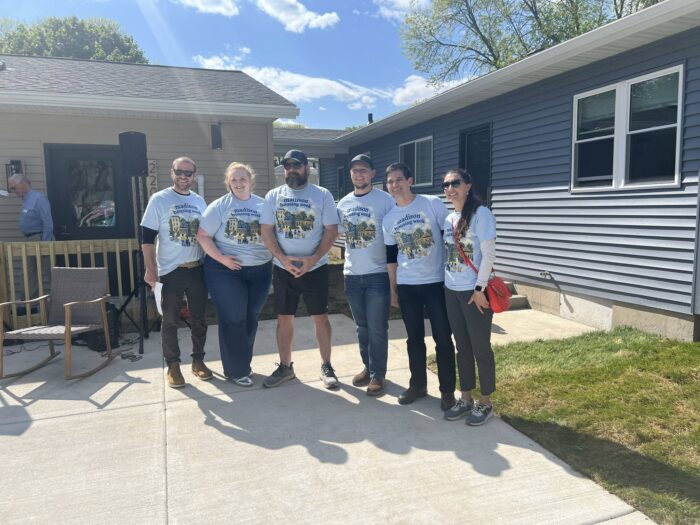
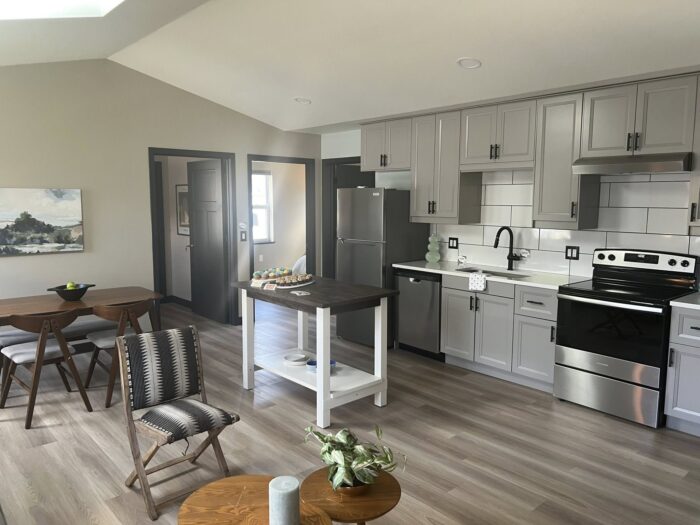
Sharon Johnson from our Madison For More Neighbors campaign recently attended a ribbon-cutting for new accessible ADUs as part of Madison Housing Week. We also participated in a virtual webinar and heard from Boundless Tiny Homes owner, Devon Lee. As Dane County’s only ADU-focused design-build firm, they exclusively build accessory dwelling units and handle the entire process, from evaluating local zoning and securing permits to the final Certificate of Occupancy. As momentum builds, they’re betting on ADUs as a practical, scalable way to add density to existing neighborhoods in an increasingly competitive housing market.
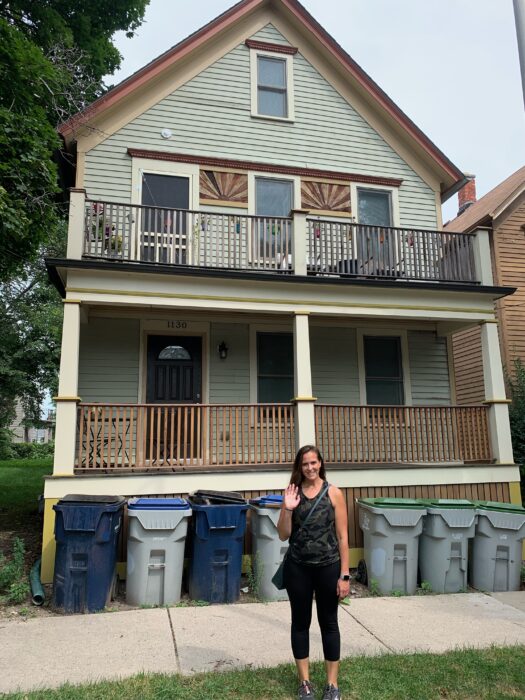
It’s made me reflect on my own housing story, or why I live where I live.
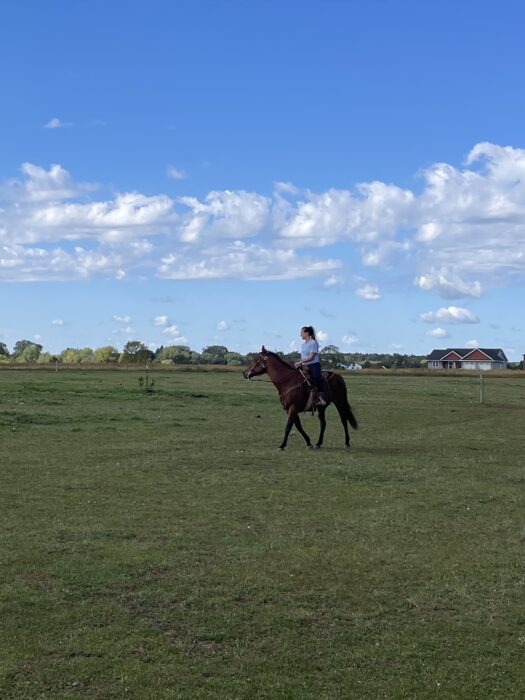
I left Milwaukee in 2014 for rural northwestern Wisconsin, near the Minnesota border. It was a choice to be closer to my own family when we started raising kids. We also realized that we could get more house for our money as we started remote work, and that living near smart and handy relatives was especially helpful while taking on a fixer-upper. Within a few years, my brother’s family bought the adjacent parcel and built their own home, becoming our next-door neighbors and our go-to for that “cup of sugar” or anything else in a pinch! We also live within a country block from an aunt, uncle, and a cousin. Though we’re spread out, I can’t help but laugh at the family compound we’ve built within a 1-mile radius, which is actually not that uncommon in rural farming communities. Living near family is a form of resource-building and mutual support and has been a lifeline as we established homes while growing families and busy careers.
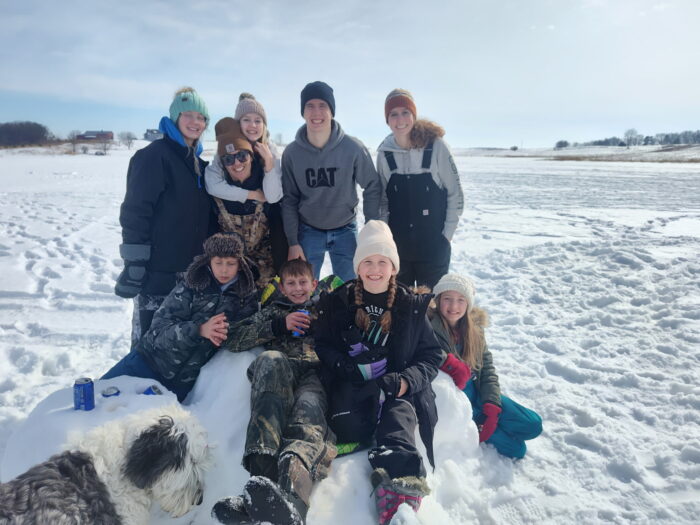
There’s a reason people lived this way long before us. Together, these shifts signal a quiet but meaningful rethinking of housing, one that moves beyond the nuclear family and toward shared living grounded in collective resources and support.
It’s increasingly clear that we can’t solve the housing crisis on our own. No amount of individualistic “working harder” or “saving more” can fully address the scale of the shortage. In the meantime, people are getting creative, reimagining how and where they live while they wait for more homes to be built.
And in that process, many are rediscovering something important we may have lost along the way: the value of community, connection, and living closer to one another.